Article
After birth: when can you start moving again?
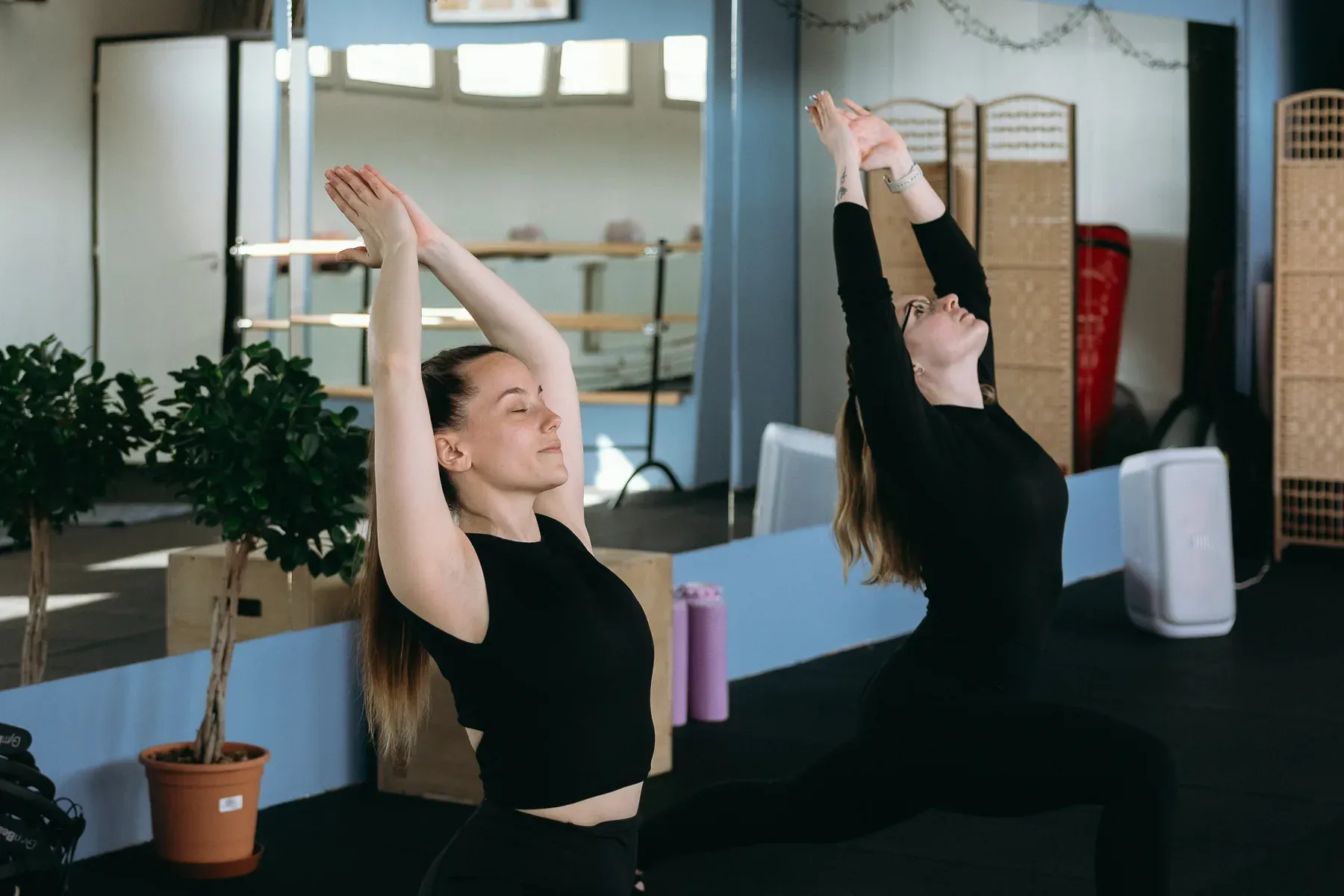
Returning is not a race. After birth the body has been through a large transformation, and movement helps when it follows that, not when we hurry it.
From when
After a vaginal birth you can usually start after the six-week medical check, if your doctor found everything in order. After a caesarean it normally takes longer, because the abdominal wall asks for more patience. In every case your current condition and your doctor’s opinion decide, not a date on the calendar.
Breastfeeding by itself is not an obstacle: it is no reason to skip movement.
What to start with
You do not continue where you left off, and that is as it should be. In the first weeks the goal is not training but rebuilding: the coordinated work of the deep muscles, the abdominal wall and the pelvic floor, plus getting your posture back.
This is why we have a separate postnatal reformer class. We work at a slower, controlled tempo, with special attention to the abdominal wall and the pelvic floor. The reformer suits this because the springs let us dose the load precisely, and because it counterbalances the everyday work of lifting and carrying your baby.
What to watch for
A few signs suggest the load is still too much: if the abdominal wall bulges in the middle during an exercise, if you feel downward pressure in the pelvis, if there is any leaking, or if it hurts. That is the moment to tell your instructor, who will change the exercise, rather than to grit your teeth.
If these show up outside class too, see a physiotherapist. A group class is not treatment and does not replace an examination.
The real measure
Not how many weeks have passed, and not how quickly someone else came back. It is whether you can complete the exercise with your posture, your breathing and no symptoms. Once that is there, the next step can come.
If you are unsure, come to a private class: an instructor stays with you throughout, and we set the pace entirely to you.